
What you missed at HR in Action: LIVE
- Author: COMMS
Published: 10 June 2026
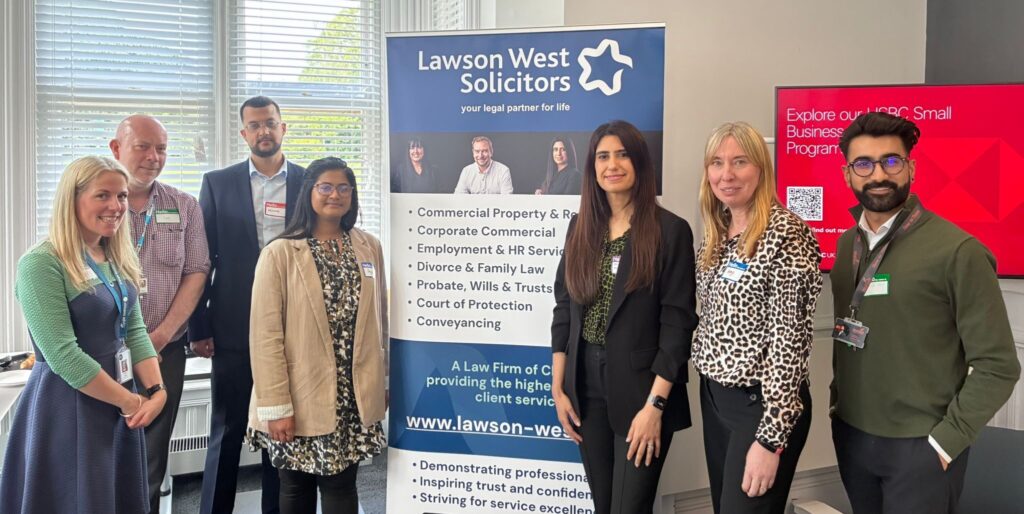
If you weren’t in the room for the recent HR in Action – LIVE! event at the University of Leicester School of Business, you missed a massive operational reality check. Sponsored by HSBC, the morning brought together local leaders to expose the huge gulf between what organisations think is happening and the messy reality of the front-line employee experience.
The overarching takeaway was clear: the gap between having a compliance policy on paper and actually implementing it on the ground is exactly where companies go to get sued.
The Friction at the Front Line
This systemic gap consistently comes to life in what was described as the “3 PM Friday afternoon conversation”. Picture it: an employee with protected characteristics needs reasonable adjustments. HR goes into full risk-mode, worrying about legal liability. A middle manager panics about team capacity and missing KPIs. Meanwhile, the employee is just left trying to figure out how to do their job.
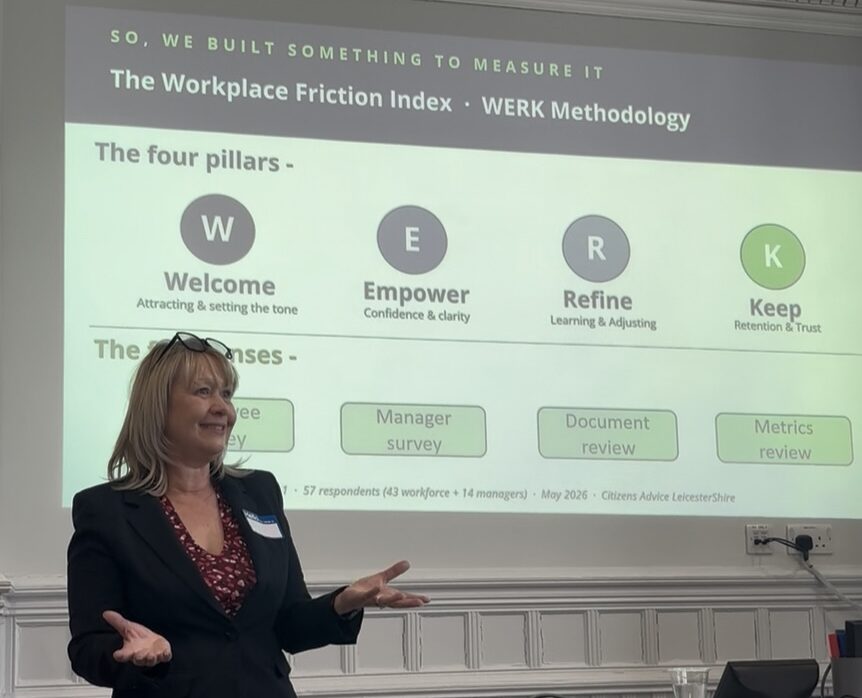
Too often, organisations try to paper over these cracks using surface-level data—like flashing green metrics on an annual engagement survey. But sentiment data doesn’t capture systemic health. To solve this, Vicky Gutteridge, CEO introduced WERK, a diagnostic framework built by Citizens Advice LeicesterShire to measure hidden operational friction across the entire employee lifecycle.
Data from the Workplace Friction Index (WFI) revealed that while senior leaders have high positional confidence, middle managers score the lowest because they carry the weight of these tough front-line conversations with the least amount of support. This management scaffolding completely runs out for most employees between the 6 to 24-month mark, leading to a predictable retention cliff that generic training fails to fix.
Squeezed by Poverty and Legislation
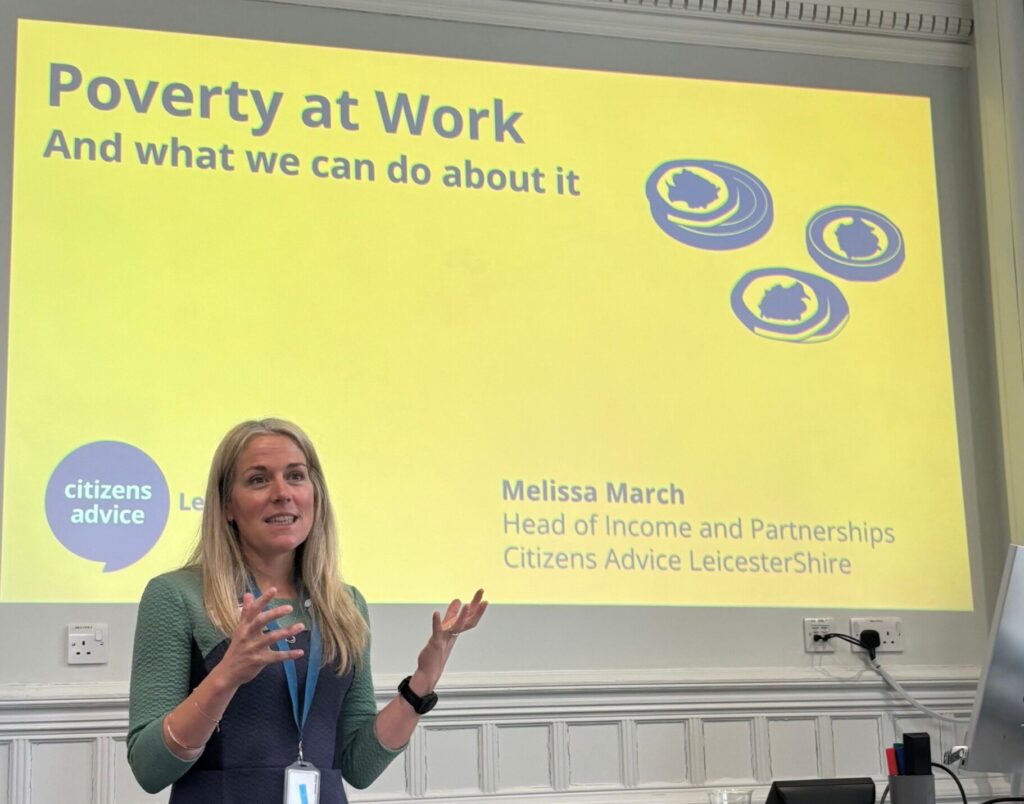
This front-line friction isn’t just about clunky onboarding; Melissa March, Head of Income and Partnerships at Citizens Advice LeicesterShire painted a stark picture about what else walks into the office every morning: poverty. In 2026, UK poverty is an ongoing reality for 14.3 million people, and a staggering 18% of that represents people who are actively in work.
The old myth that “work is enough” has been dismantled by “negative budgets” – a term coined by Citizens Advice where essential costs exceed your income. Financial stress drives poor mental health, leading to more absence in the workplace; employees show up unwell because they can’t afford a day without pay, costing employers far more in reduced capacity and turnover than actual absence.
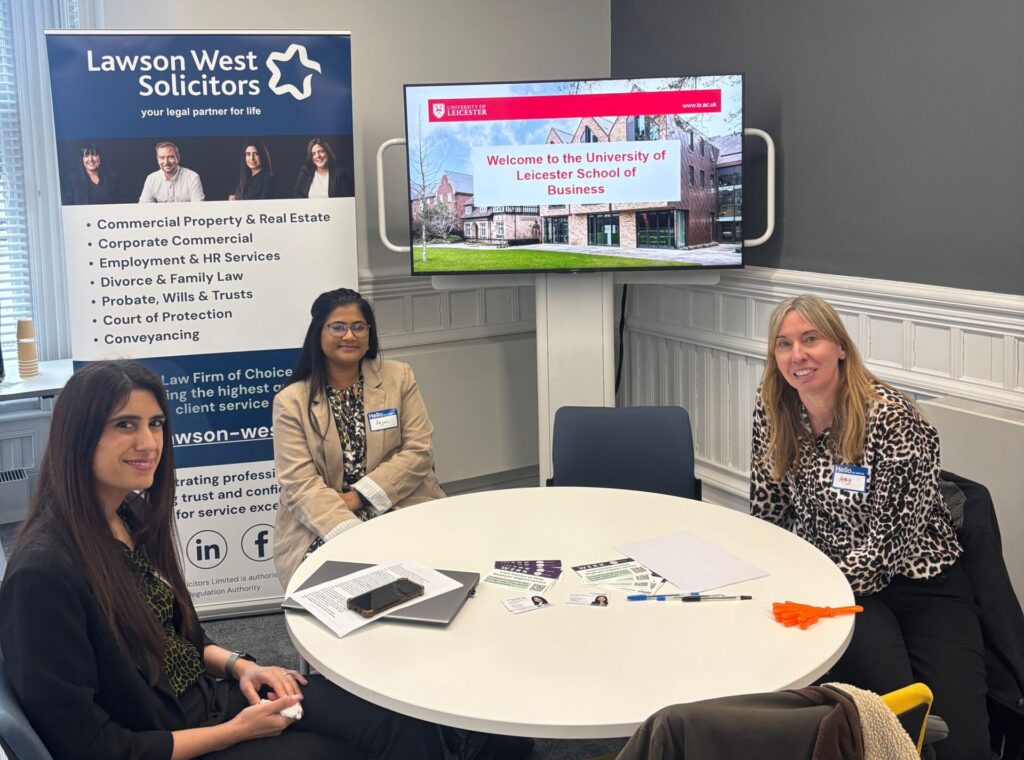
This human friction is about to collide head-on with a high-stakes legal reality. The team at Lawson West Solicitors laid out the sheer scale of the Employment Rights Act 2025 (ERA 2025), marking the biggest shake-up in employment law in a decade. Policy without active infrastructure is now an immediate financial risk:
- The 6-Month Dismissal Cliff: The qualifying period for unfair dismissal is dropping from two years to just 6 months, making poorly managed probations prime tribunal targets.
- Day-One Risks: Paternity leave, unpaid parental leave, and Statutory Sick Pay (SSP)—with its lower earnings limit and waiting days removed—will all be payable from day one.
- Skyrocketing Penalties: The maximum protective award for defective collective redundancy consultations is doubling to 180 days’ gross pay.
- Proactive Enforcement: The newly launched Fair Work Agency will conduct unannounced inspections into record-keeping, holiday pay, and SSP.
What You Need to Do Right Now
This moment isn’t about vague culture shifts; it’s about immediate tactical exposure. HR leaders need to rewrite probation, family leave, and whistleblowing frameworks immediately.
More importantly, we must use frameworks like WERK to design policies as operational coaching tools rather than rigid rulebooks. We need to weave poverty awareness into EDI, build transparency around pay cycles, and retrain middle managers to recognise financial distress rather than misinterpreting it as poor performance.
The single biggest vulnerability your organisation faces right now isn’t the text of the new law—it’s assuming a middle manager can successfully navigate a complex financial or personal crisis with an employee at 4 PM on a Friday without intensive, practical retraining.
The clock is officially ticking. If you missed the event, do not miss the implementation window.
Which specific element of this systemic shift—whether it’s deploying a friction diagnostic like WERK, implementing poverty-aware management training, or restructuring your processes for the 6-month unfair dismissal cliff—feels like your biggest priority right now?
- Category: News
- Tagged: Employment Rights Act, HR in Action, HR Policy, WERK, Workplace Support